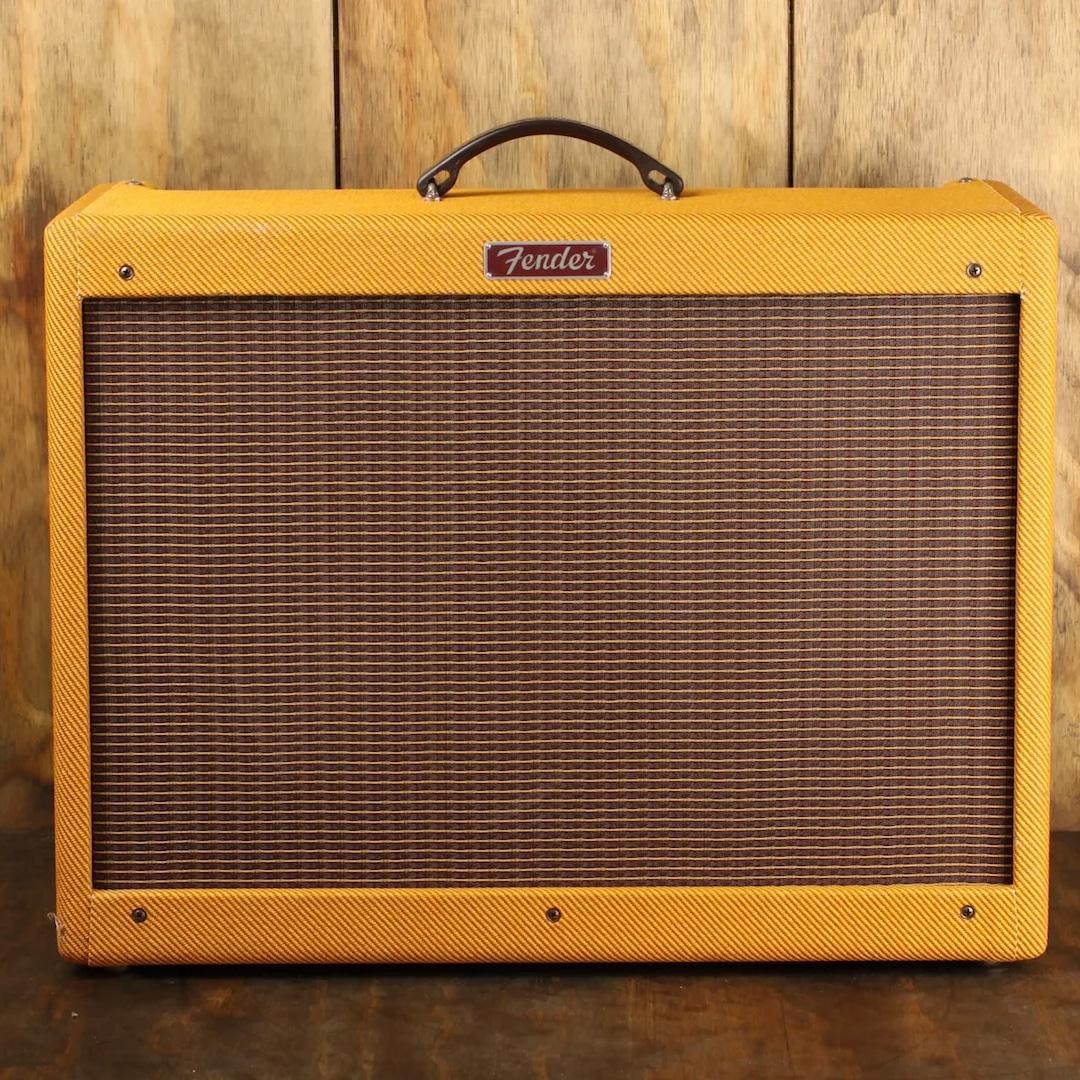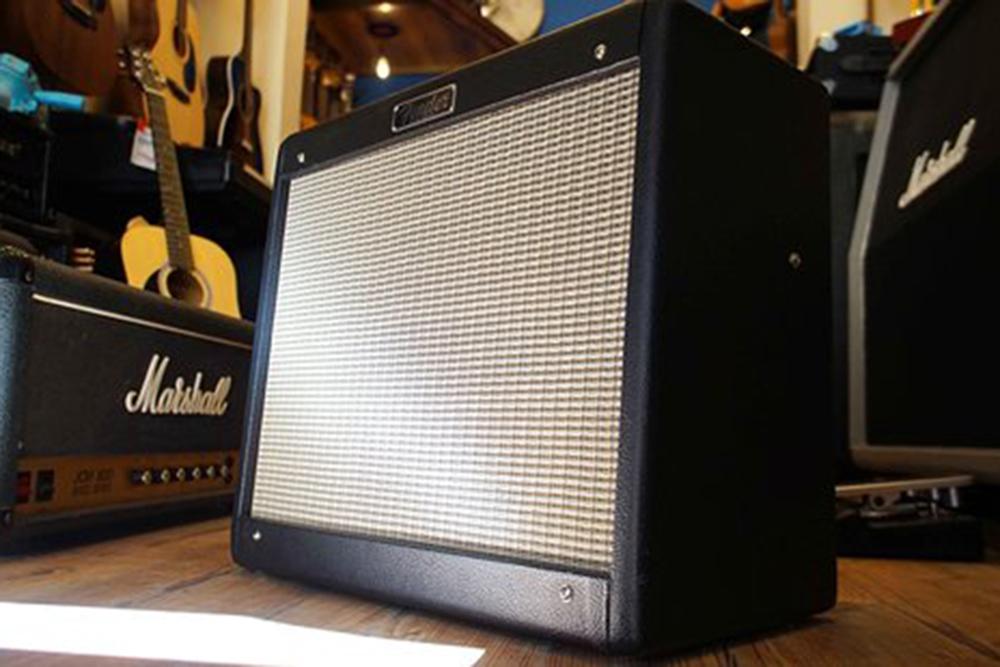
Blues Deluxe Mods: A Different Amp Than You Think
Real Fender Blues Deluxe schematic values for the tone stack, presence control and bias trim — and why its mod list differs from the Hot Rod Deluxe's.
Tech pages · Electronics
Long-form write-ups of real repair and design work — measured, not guessed. Every article stands on its own; most come with the math and the schematic.
Searches titles, topics and the full text of every article.
15 articles
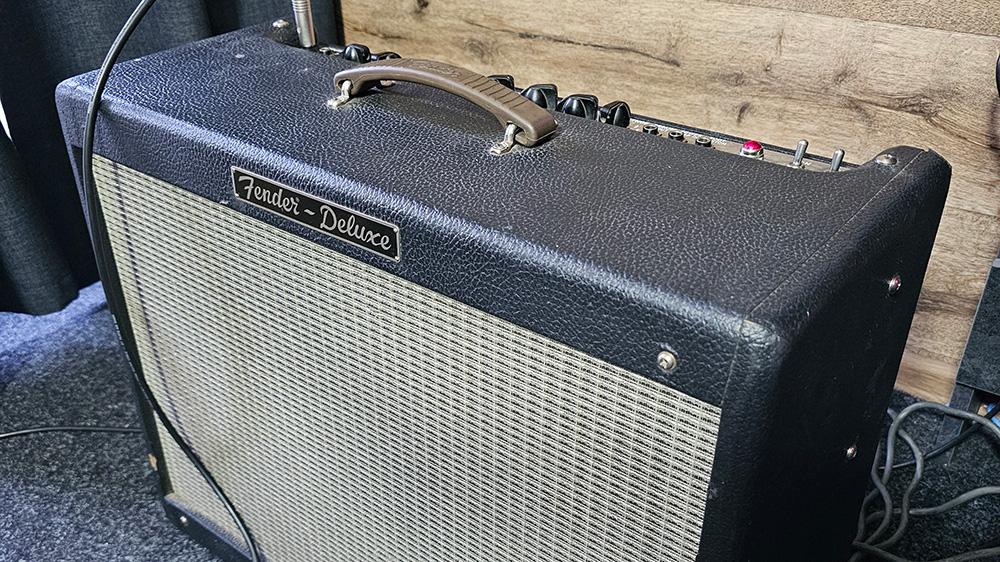
Real Fender Blues Deluxe schematic values for the tone stack, presence control and bias trim — and why its mod list differs from the Hot Rod Deluxe's.
How to measure a JFET's IDSS and pinch-off with basic tools, then bias a common-source stage around the part you have, not a datasheet typical.
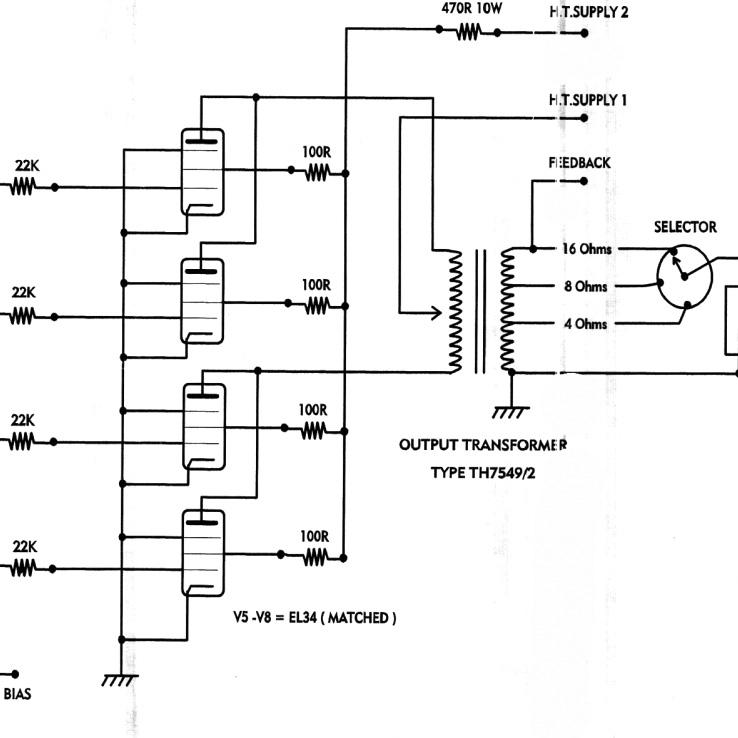
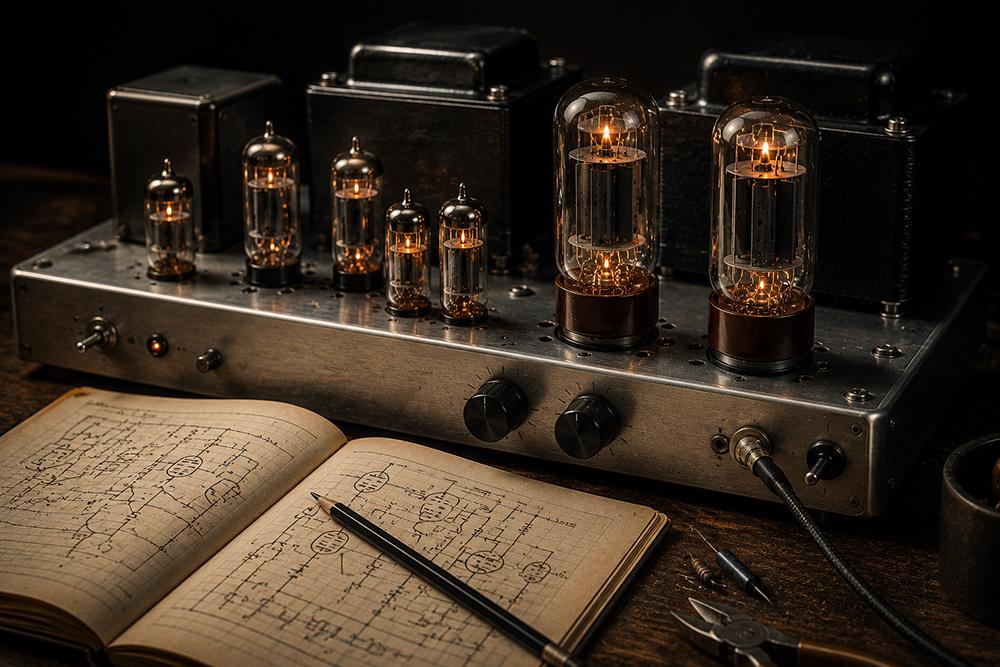
How to read a tube amp schematic from scratch: the symbols that cover almost every circuit, how to trace a signal path, and where the four supply nodes are.
What actually fails in modern tube amps, from the bench: cold solder joints, botched previous repairs, over-diagnosed tubes, and why the filter-cap datasheet says you probably don't need a recap.
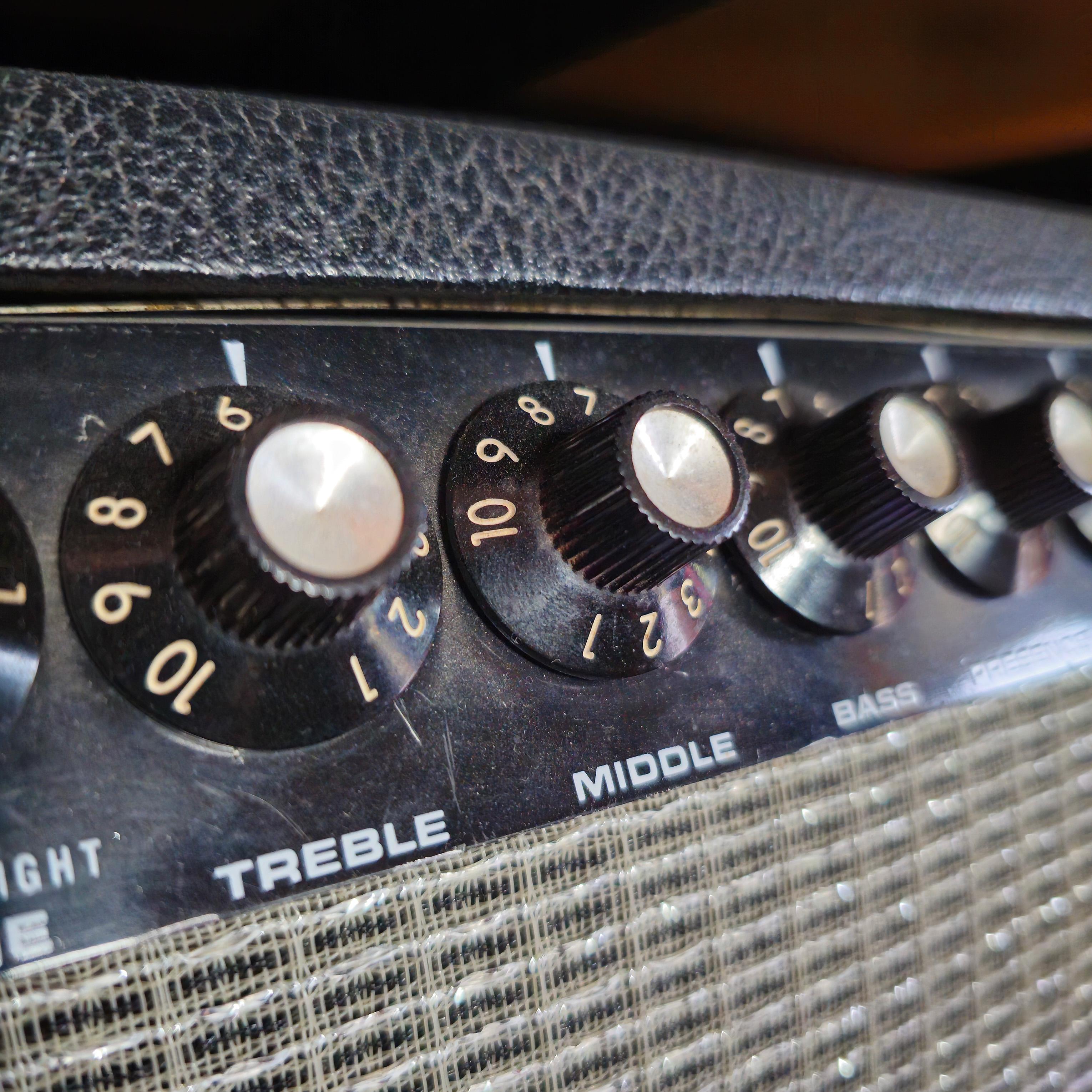
How the passive Bass/Mid/Treble network in a guitar amp works, why Fender, Marshall and Vox sound so different from the same topology — and why Mid inverts.
How amplifier negative feedback and the presence control actually work, with schematic-verified feedback amounts for Fender, Marshall and Bassman-family amps.
Bias a fixed-bias push-pull tube amp using output-transformer resistance and voltage drop — no shunt measurement, no oscilloscope, true plate current.
Blues Junior mods with real component values: the input grid stopper, the treble-bleed cap, the Twin tone stack swap, and the cap that makes it nasal.
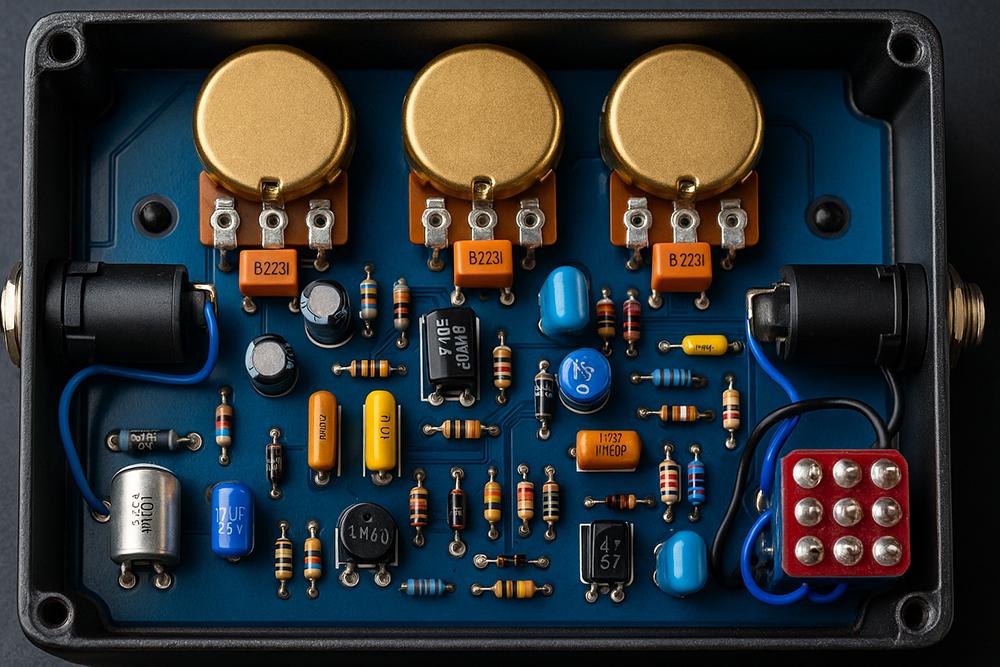
A myth-busting guide to resistors, capacitors, diodes and ICs in guitar pedals — what each really does to tone, and where boutique parts stop mattering.
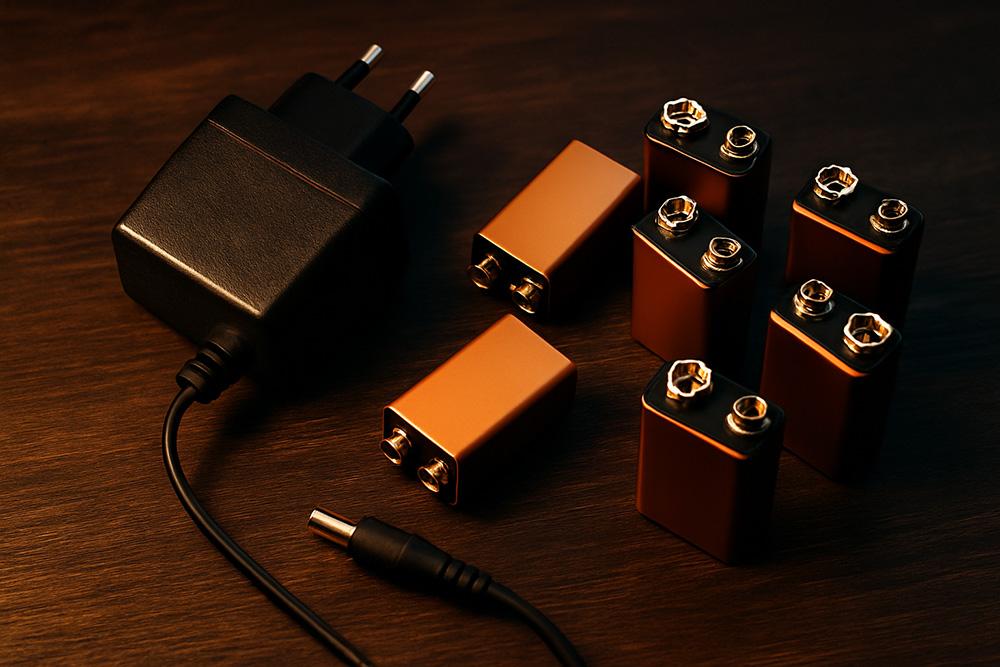
Why battery-powered fuzz pedals really do sound different: rail voltage and bias shift, supply impedance in the signal path, and the daisy-chain trap.
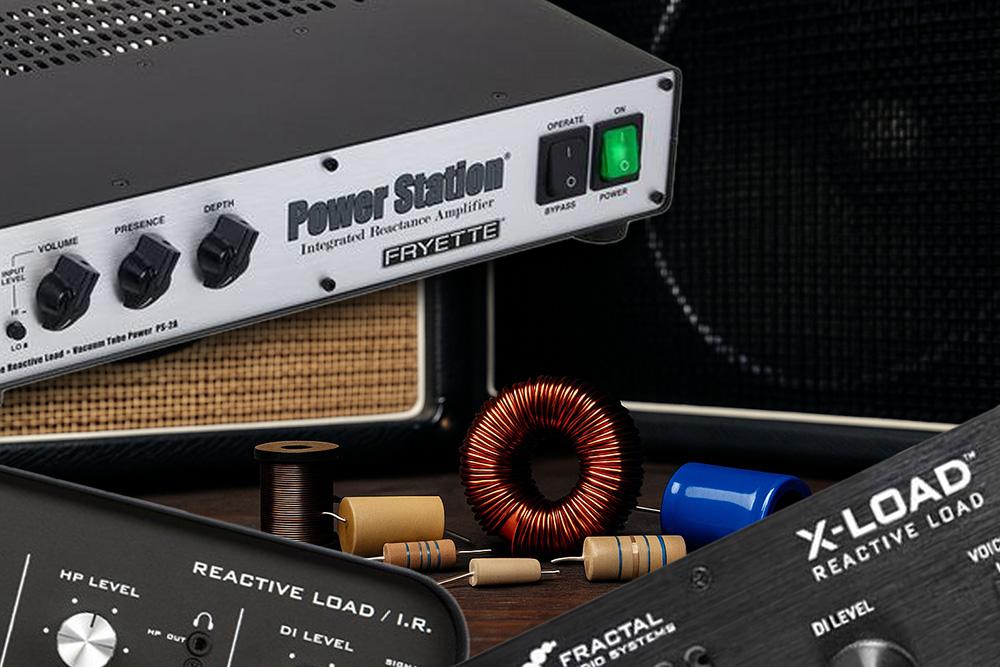
How speaker impedance becomes frequency response through amp output impedance, why reactive loads don't feel like a cab, and the IR double-count trap.
Fix the Hot Rod Deluxe's PCB-cooking dropping resistors, then rework the power amp and preamp for a blackface-style feel and usable drive channels.
Why humbuckers wired in parallel stay hum-cancelling and sound brighter than a coil split — and the two real reasons the industry never adopted the wiring.
Why DC resistance doesn't equal pickup output, what inductance and capacitance do to your tone, and the resonance equation that connects all three.
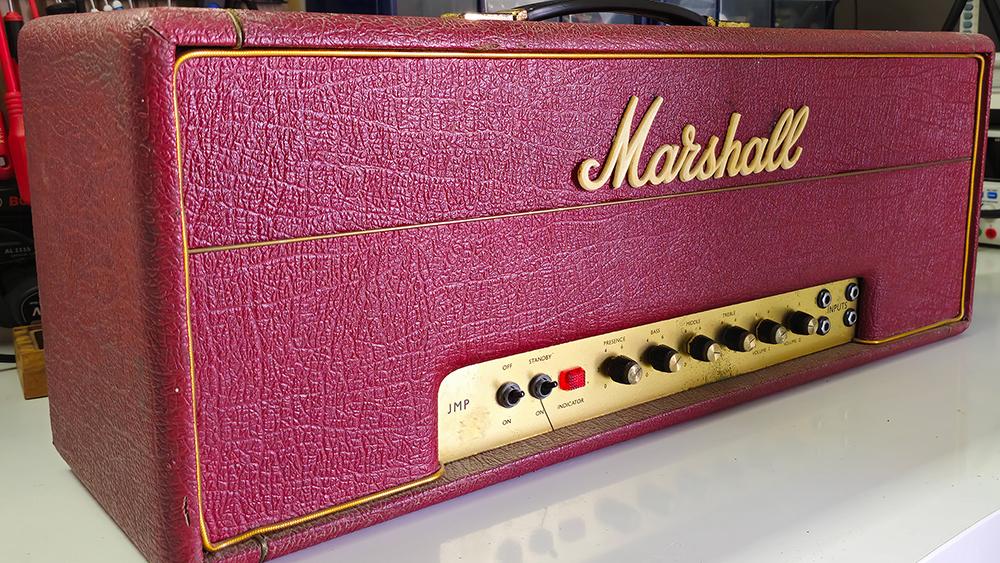
How replacing a Marshall's cathode follower with a fourth gain stage makes a fatter, higher-gain amp — with the gain-staging and feedback maths behind it.