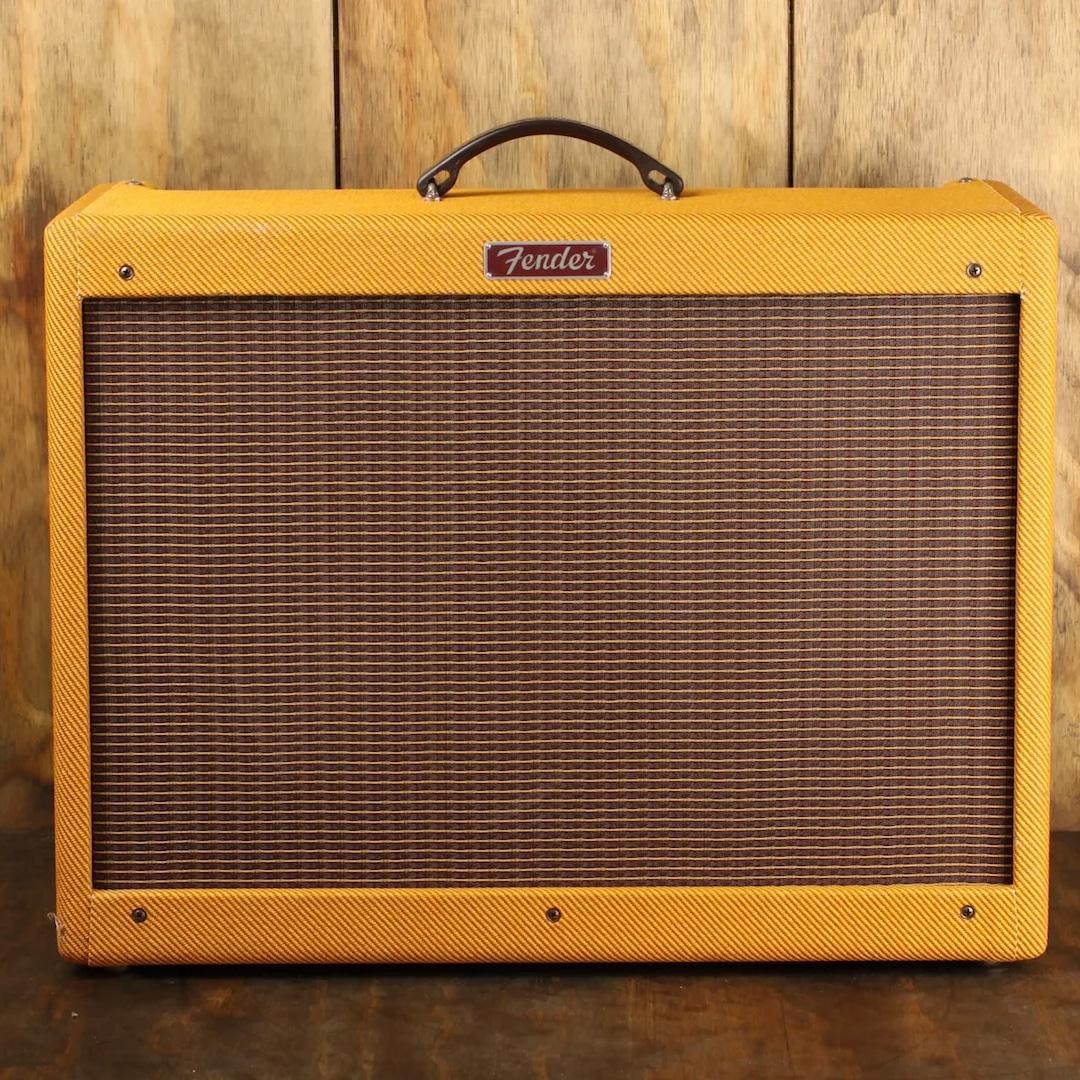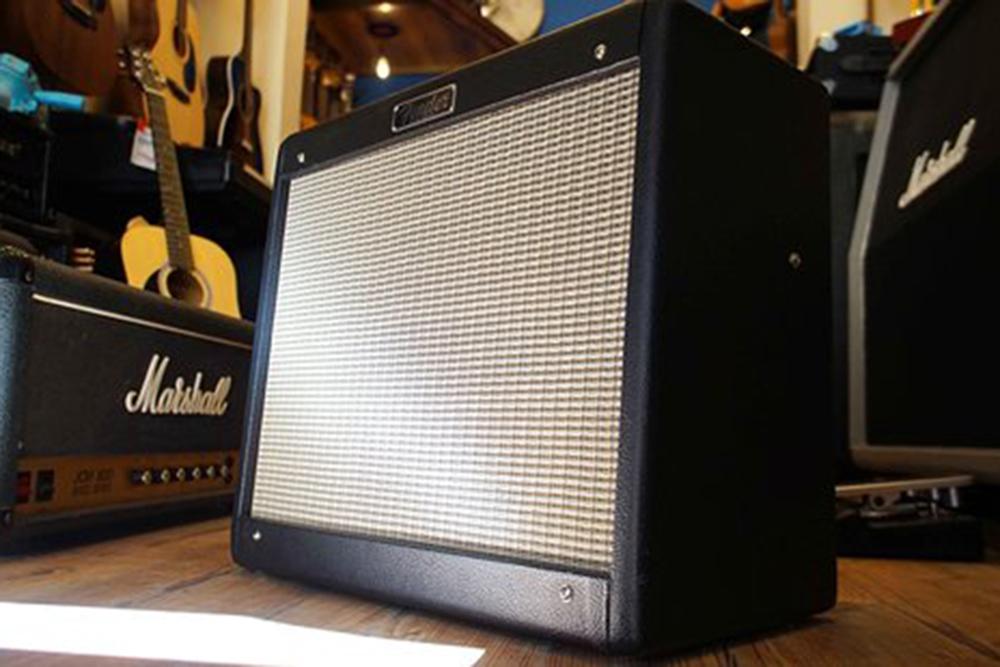
Blues Deluxe Mods: A Different Amp Than You Think
Real Fender Blues Deluxe schematic values for the tone stack, presence control and bias trim — and why its mod list differs from the Hot Rod Deluxe's.
Tech pages · Tubes
Long-form write-ups of real repair and design work — measured, not guessed. Every article stands on its own; most come with the math and the schematic.
Searches titles, topics and the full text of every article.
8 articles
Real Fender Blues Deluxe schematic values for the tone stack, presence control and bias trim — and why its mod list differs from the Hot Rod Deluxe's.
Why cathode and fixed bias sound different has little to do with the Class A/AB label most amps wear incorrectly — the real mechanism is self-regulation.
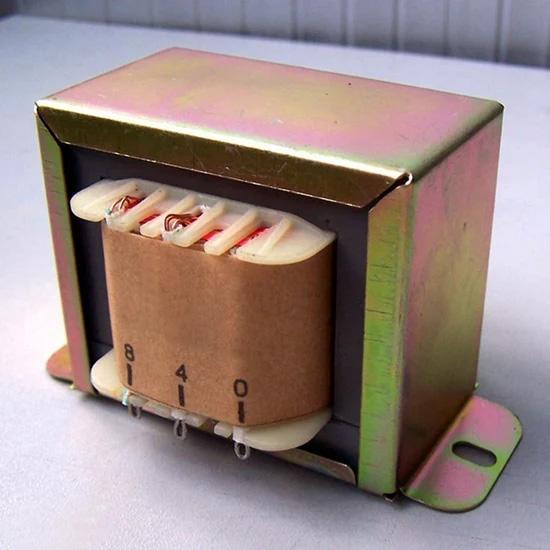
How an output transformer matches high plate impedance to a low speaker load, why a mismatch or open circuit is dangerous, and what 'minimum load' protects.
How amplifier negative feedback and the presence control actually work, with schematic-verified feedback amounts for Fender, Marshall and Bassman-family amps.
Bias a fixed-bias push-pull tube amp using output-transformer resistance and voltage drop — no shunt measurement, no oscilloscope, true plate current.
Blues Junior mods with real component values: the input grid stopper, the treble-bleed cap, the Twin tone stack swap, and the cap that makes it nasal.
How amplifier power is really measured, why a cranked 100 W amp delivers close to 200 W, and why speaker sensitivity — not watts — decides which amp is louder.
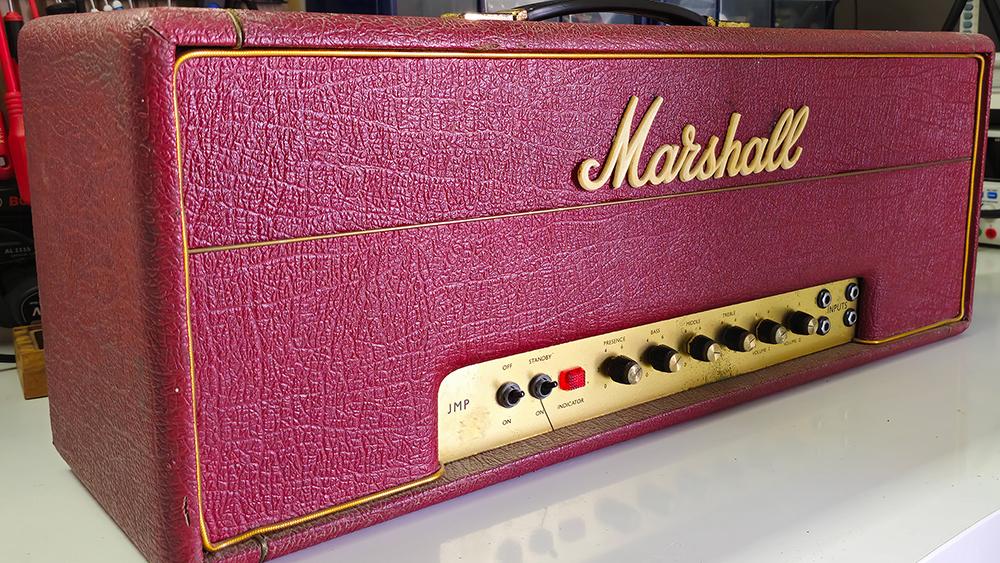
How replacing a Marshall's cathode follower with a fourth gain stage makes a fatter, higher-gain amp — with the gain-staging and feedback maths behind it.